Entry · Ref DT1OE8GH
Best Fence Company: Comprehending Service Warranty Terms and Insurance Coverage
- Posted
- 2026-09-23
- Last amended
- 2026-09-23
- Account
- @fencingcontractorwyks766
When people say they want to hire the best fence company, they usually mean more than “good price” or “looks nice.” They mean they want peace of mind when something goes wrong. A fence takes a beating from sun, wind, freeze-thaw cycles, soil movement, sprinkler systems, and kids who run into it while chasing a ball. If you pay for an installation, you should expect a warranty that actually protects you, not one that quietly narrows coverage until it becomes hard to use.
Warranties can be confusing because every fence is a mix of materials and work: posts, rails, pickets or panels, fasteners, gates, concrete (or other anchoring), and sometimes staining or coating. Coverage might apply to only one part, or it might depend on how long the fence has been installed, how it’s maintained, or what caused the damage. The “best fencing contractor” in your area is often the one who can explain those terms clearly, not the one who offers a vague “we stand behind our work” statement.
Below is a practical way to understand warranty terms and coverage, what to look for when you’re comparing the best fencing installers and builders, and how to avoid the most common gaps that show up after the first storm or first season.
What a warranty really covers, and why it matters
A fence warranty is rarely one single promise. It’s usually a combination of:
1) a workmanship warranty (what the installer does and how they do it)
2) a materials warranty (what the manufacturer does and how the parts perform) 3) a coverage pathway (how you file a claim, what evidence is required, and what happens if you report an issue)The practical difference is huge. If you notice a problem and it turns out to be a manufacturing defect, the manufacturer may handle it. If the problem is posts that were set incorrectly, braces that were installed out of spec, or gate hardware that was mounted without the right support, workmanship coverage is what matters.
I’ve seen customers assume that “warranty” means “someone fixes everything.” In reality, that’s like assuming a car warranty covers tires. Tires have their own rules. So does a fence.
When you evaluate the best fence contractor or best fence company, pay attention to whether the warranty separates workmanship from materials. Clear separation is not a loophole, it’s a roadmap. It tells you what kind of problem is likely to be covered and which party will respond.
Warranty length versus warranty value
A common trap is chasing the longest warranty term. A five-year workmanship warranty might still be more valuable than a “ten-year materials warranty” if the materials warranty is limited to certain components and requires the original proof of purchase. Conversely, a short workmanship warranty can feel inadequate if it’s tied to a condition you might not meet.
From a customer perspective, warranty value depends on at least four things:
- what components are covered (posts, rails, pickets, gates, hardware, finish)
- what failure modes are covered (warping, cracking, fastening failure, corrosion, loosening)
- what exclusions apply (improper maintenance, normal wear, installation outside spec)
- what the remedy is (repair, replacement, or reimbursement)
Two fencing installers can both say “lifetime,” but one might mean “lifetime for the fence panels” while excluding posts and gates, and the other might mean “lifetime for workmanship” tied to rework without cost but only if you report within a certain timeframe after issues appear. Those are not equal.
If you’re trying to choose among best fencing companies and best fencing builders, don’t just ask “how long.” Ask “what exactly do you fix, and what do you charge if something is excluded?”
The most important terms to read closely
Most warranty documents include fine print that can materially change your outcome. You do not need to become a lawyer, but you do need to understand the phrases that trigger exclusions.
1) “Normal wear and tear” and “weathering”
Many warranties treat cosmetic changes as normal wear. For example, wood fences can fade, and painted finishes can chalk over time. Vinyl can show surface discoloration. If your issue is purely cosmetic, coverage might not apply.
That said, “normal wear” is not the same as “no protection.” If a finish peels within a certain period or fasteners corrode prematurely, that can be a failure rather than just aging.
A helpful question to ask during the estimate process is whether the warranty covers peeling, flaking, or rust-through, not just “material failure.” The best fencing contractors will often clarify this without you having to fight for it later.
2) Maintenance requirements
Some fences require periodic maintenance. Wood staining or sealing, for instance, is commonly tied to warranty protection. If a warranty says you must apply a specific coating every year or two, missing that schedule can become a reason to deny a claim.
In my experience, maintenance terms are where people get burned because they assume any maintenance counts. Some warranties require specific products or specified application intervals. If a document is vague, ask the contractor to tell you what they recommend for your climate and fence material, and get it in writing.
3) “Installation must be within specifications”
Workmanship warranties often depend on proper installation practices. If the installer follows correct depth, correct post spacing, correct hardware placement, and appropriate bracing, you’re in the covered zone. If something deviates, the warranty may become conditional.
This is why comparing best fencing installers should include asking about their process, not just their end result photos. How do they determine post depth? How do they handle uneven terrain? What do they do when they hit rock or high water tables? These details can affect whether a “covered” issue becomes “installation-related and not covered.”
4) Claims timelines and notice requirements
Many warranties require that you report problems within a set period after you notice them. Some require you to report within a certain timeframe from installation, even if the issue shows up later due to weather.
Because fence problems can develop gradually, the timing language matters. A loose rail might appear after one storm. Post rot might appear after several winters. If your claim window is short, you need to know early.
When you’re deciding on a best fencing contractor, ask: if a problem starts, how soon do we need to notify you for the claim to stay valid?
5) “Exclusive remedy”
Some warranties say the remedy is limited to repair or replacement of the defective component, and that it does not include labor beyond a defined part of the warranty term. Others limit the replacement to the same type of material at current availability prices.
That means you could get a replacement board but still be responsible for matching color, stain, or labor not covered by the warranty. In a yard where you have small sections and you care about consistency, this matters.
Workmanship versus material coverage: who pays when?
In the field, the line between workmanship and materials can get blurry, especially with composite or coated products. For example, if a fence panel cracks because it was fastened incorrectly, is that a material defect or a workmanship defect? Usually the installer’s workmanship warranty handles install errors, but not always.
If the contractor is reputable, they should be willing to investigate and coordinate the claim. The best fence companies treat warranty issues as a customer service process, not a blame game. They might not be able to guarantee a claim will be approved by a manufacturer, but they can usually provide photos, documentation, and installation data that helps the claim move forward.
Here’s the practical way to think about it:
- If you see failure near attachment points, misaligned hardware, leaning posts, or recurring issues after a pattern, workmanship is often implicated.
- If failure appears across multiple panels in similar fashion, or parts fail under normal conditions, materials may be implicated.
- If only one section fails after a specific event, like a vehicle strike, the cause might be outside warranty even if it looks similar to other failures.
A good best fence installer will ask about the event history when you report an issue. That’s not “digging for excuses,” it’s evaluating likely cause.
Common warranty scenarios (and what usually happens)
You don’t want surprises after you’ve signed paperwork. Below are some real-world scenarios that show up repeatedly, along with how warranties often handle them. These are general patterns, not universal rules, since every manufacturer and contract is different.
Leaning posts and fence sag
Leaning can come from soil movement, incorrect concrete depth, water drainage problems, or wood rot at ground level. Many workmanship warranties cover improper setting or inadequate bracing for a period. Materials warranties might not, because the post itself may be treated material that’s still “doing what it was designed to do.”
If your fence uses posts anchored in concrete, ask whether the warranty covers post replacement and removal, and whether it covers reinstatement of adjacent sections. Replacement can be straightforward if the fence is flexible enough, but it gets harder if you have neighboring panels attached tightly.
Rusted metal fasteners or hardware failure
Hardware quality varies and so does coating quality. Some warranties cover “corrosion through” but exclude “surface rust.” That distinction matters. A little rust on a fastener head might be considered cosmetic, while rust-through that causes structural failure can trigger coverage.
If you’re picking among best fencing contractors, ask what hardware they use and whether they match it to the warranty requirements. The most careful installers will also describe how they prevent water traps at hardware points.
Peeling paint or stain issues
For painted or stained wood, warranties can be picky. They might cover peeling within a first-year timeframe if proper surface prep was done. If the fence was installed with improper prep, or the product used is not the one required by the warranty, coverage can be denied.
This is one area where I recommend keeping your estimate documentation and product labels. Even if the contractor does the product application, you want to know what coatings were used.
Fence warping, twisting, or panel distortion
Some fences warp due to exposure, installation alignment, or internal stresses in the materials. A warranty might cover warping beyond a certain degree or beyond a defined period. If it’s mild and happens slowly in normal weather, it may fall under “weathering.”
The best fence builders will talk about expected movement for your material type. They should not promise zero movement. They should promise correct installation so movement does not become premature failure.
Exclusions that often matter more than people think
Some exclusions feel obvious until you experience them. Then they are all you can think about.
Vehicle impact, vandalism, and “acts of nature”
Many warranties exclude damage caused by impact or acts outside the installer’s control. That’s reasonable. But the nuance is whether the warranty covers the replacement of only the damaged segment or denies the entire fence claim.
If you have a dog that runs at the gate during storms, you might see repeated damage patterns. Warranty exclusions often mention “abuse” or “use beyond normal conditions.” A clear definition of what counts as normal can be hard to find in writing, so it’s worth asking before you sign.
Improper modifications
If you add a screen, attach objects, build trellises to rails, or reroute sprinkler lines, you might void parts of coverage. Even a new attachment point can licensed fencing contractors change wind load.
If you’re planning future changes, ask the installer how the warranty handles modifications. The best fencing companies encourage transparent planning so you don’t accidentally break warranty terms.
Failure due to grade changes or drainage issues
Soil grading, landscaping, and changes in drainage can affect fence performance. If you later add soil against a fence post or alter drainage so water pools near bases, a warranty denial becomes more likely.
This is why good installers often recommend keeping a small area clear around posts and maintaining drainage patterns. They cannot stop you from changing landscaping later, but they can tell you what would likely impact warranty validity.
The “remedy” is where the real decision happens
Warranty length and coverage matter, but the remedy is what decides whether the warranty is worth having. The remedy describes what you will actually get if you file a claim.
Look for language about:
- whether repairs are done at no cost during the warranty period
- whether replacement includes labor, travel, and reinstall costs
- whether the installer provides materials at no cost
- whether there are limits on how much area will be replaced
- whether the contractor will match older materials or finishes
- whether the warranty includes gates, gate hinges, latch hardware, and closers
Gates are a frequent point of failure, and warranties often treat them differently than the fence run. A gate can rack due to ground settling, hinge misalignment, or heavier-than-expected use. Some warranties cover gate hardware, others cover only the gate frame.
When customers call because a gate won’t latch, it’s often not the award winning fence company gate material that failed, it’s the alignment and the hardware. A strong best fencing installer will be upfront about this and will explain what adjustments they do as part of warranty service.
How to ask the right questions without sounding adversarial
You shouldn’t need a courtroom approach to protect yourself. Still, you want clarity early, because once the fence is built, it’s harder to negotiate warranty interpretation.
Here’s a short set of questions I’ve used in customer conversations that get to the heart of coverage. This is the part where you find out if the company is truly prepared, whether you’re dealing with a best fence company, best fence installer, or best fence builder.
- Which parts are covered under workmanship versus materials, and for how long?
- What specific failures are covered, and which are excluded as “normal wear” or “maintenance issues”?
- What is the exact remedy, repair or replacement, and does it include labor and reinstall?
- Are gates and hardware covered, and how do you handle alignment issues over time?
- What documentation do you require to file a claim, and what is the reporting timeline?
A company that answers these clearly usually has better internal processes. They tend to take warranty work seriously because they understand what the paperwork and customer expectations require.
What documentation to keep after installation
Most warranty issues become stressful because customers can’t prove what was installed and when. You can reduce that stress by keeping a small packet of information.
If you want a clean system, keep:
A simple folder with your contract, warranty booklet or terms page, and any product labels or receipts provided to you. Take photos at installation time if you can. If the installer marks post depth or provides notes on placement conditions, keep those too.
Over time, these documents become the difference between “we can verify this quickly” and “we’ll have to guess what happened.” The best fencing contractors tend to build documentation into their workflow, but it only helps if you keep it.
Warranty coverage meets real life: weather, soil, and site conditions
A fence warranty is not one-size-fits-all. The yard matters.
If you live where freeze-thaw is severe, post heaving can happen. If you have sandy soil, drainage can shift. If your ground is clay-heavy, it can swell and contract. If the fence line runs along a slope or near a driveway where rocks get displaced, the fence experiences different forces than a flat, protected yard.
A reliable best fencing company will inspect the site and recommend post spacing, bracing style, and anchoring method appropriate for those conditions. They also should be honest about what can still happen even with good installation.
When a company promises absolute performance in all conditions, be cautious. A good warranty should cover defects and installation errors, but it cannot fully override physics, soil, and homeowner modifications.
How to compare contracts between fence companies
People often compare fence quotes on price and design, then stop. But if you’re choosing among best fencing companies, you should compare warranty terms like you compare material specs.
Pay special attention to whether the warranty is:
- transferred to a new homeowner if you sell
- tied to the original purchaser only
- voided by certain maintenance or lack of maintenance
- limited to a specific fence type, like privacy panels versus pickets
- limited by fence length, like only the section installed during the contract
- subject to annual inspection or ongoing service fees
You can ask for the warranty terms in writing before you sign. A professional contractor should not treat that as an inconvenience.
If a fence company hesitates to provide warranty language, or if they provide it but refuse to explain it, that’s useful information. Plenty of people can build a fence. Fewer can clearly stand behind it.
Two practical comparisons that help spot weak warranties
Sometimes warranty differences are subtle. The next comparison can help you quickly identify terms that might cause headaches later.
Installers and builders: what to expect from the better ones
The best fencing installers and builders tend to do three things consistently. They document the installation, they explain warranty boundaries clearly, and they offer a realistic remedy process.
A fence warranty is only as good as the response when a claim happens. That response depends on communication and process.
Remedy clarity: a quick way to judge strength
In a strong warranty, the remedy section spells out repair or replacement terms without requiring you to negotiate. Weak warranties hide the remedy behind vague language.
Here’s what “strong remedy” usually looks like in plain terms, compared with “weak remedy.”
- Strong remedy: repair or replacement of the covered component, labor included during the warranty term, and a defined process for scheduling.
- Weak remedy: “reasonable efforts” language, unclear labor coverage, replacement materials only, or limited coverage for adjacent sections.
This distinction is often more important than the warranty years written on the brochure.
The claim process: what you should do if something goes wrong
Even with excellent installers, issues can happen. How you respond in the beginning often determines whether the claim gets approved smoothly.
When you discover an issue, document it right away. Photos from multiple angles help show whether the failure is structural, cosmetic, or localized to a specific area. If the issue happened after a storm or specific event, note the timing. If a gate problem started after a landscaping change, that’s relevant too.
Then contact the installer or contractor and reference the contract and warranty terms. Ask them what they need for a claim and what the next steps are.
A good best fence contractor will guide you through the process. They might schedule an inspection, verify post conditions, and decide whether the issue is repairable without replacing large sections. That’s where experience pays off.
If the company tries to rush you into an informal fix with no documentation, request that they document the complaint and warranty response in writing. You want a trail, because warranty coverage is easier to enforce when everyone agrees on the facts.
When a warranty is worth it, even if it won’t cover everything
It’s tempting to believe a warranty should cover every problem for every cause. That’s not realistic, and it’s also not how responsible businesses operate. Still, a strong warranty can be extremely valuable.
Even if a warranty doesn’t cover an impact event, it might cover the replacement materials and workmanship for how they fix the fence after the event. If weathering is excluded, the warranty might still cover structural failure like rust-through or rot that goes beyond “normal aging.”
The real value of the best fence company warranty is that it sets expectations, it reduces risk, and it provides a clear path when something fails earlier than it should.
Red flags to watch for when you’re choosing a fence company
A warranty is a promise, but it should also be a tool you can use. Red flags are usually not about what they exclude, because every warranty excludes something. Red flags are about unclear language, refusal to explain terms, and remedy vagueness.
If a company:
- won’t provide warranty terms in writing before installation
- offers different warranty stories depending on who you talk to
- avoids answering questions about gates and hardware
- uses vague language like “covers defects” without describing what defects mean
- fails to explain what maintenance is required
…then you’re taking a gamble. It might still work out, but you’re guessing.
When you’re comparing best fencing contractors, look for the ones who can talk through the gray areas calmly. A fence warranty often involves human judgment. The best companies build that judgment into their process, rather than leaving customers to interpret fine print after the fact.
Final decision: match the right company to your yard and your risk tolerance
Choosing the best fencing contractor is not only about getting the fence you want. It’s about choosing who will be there when you call back.
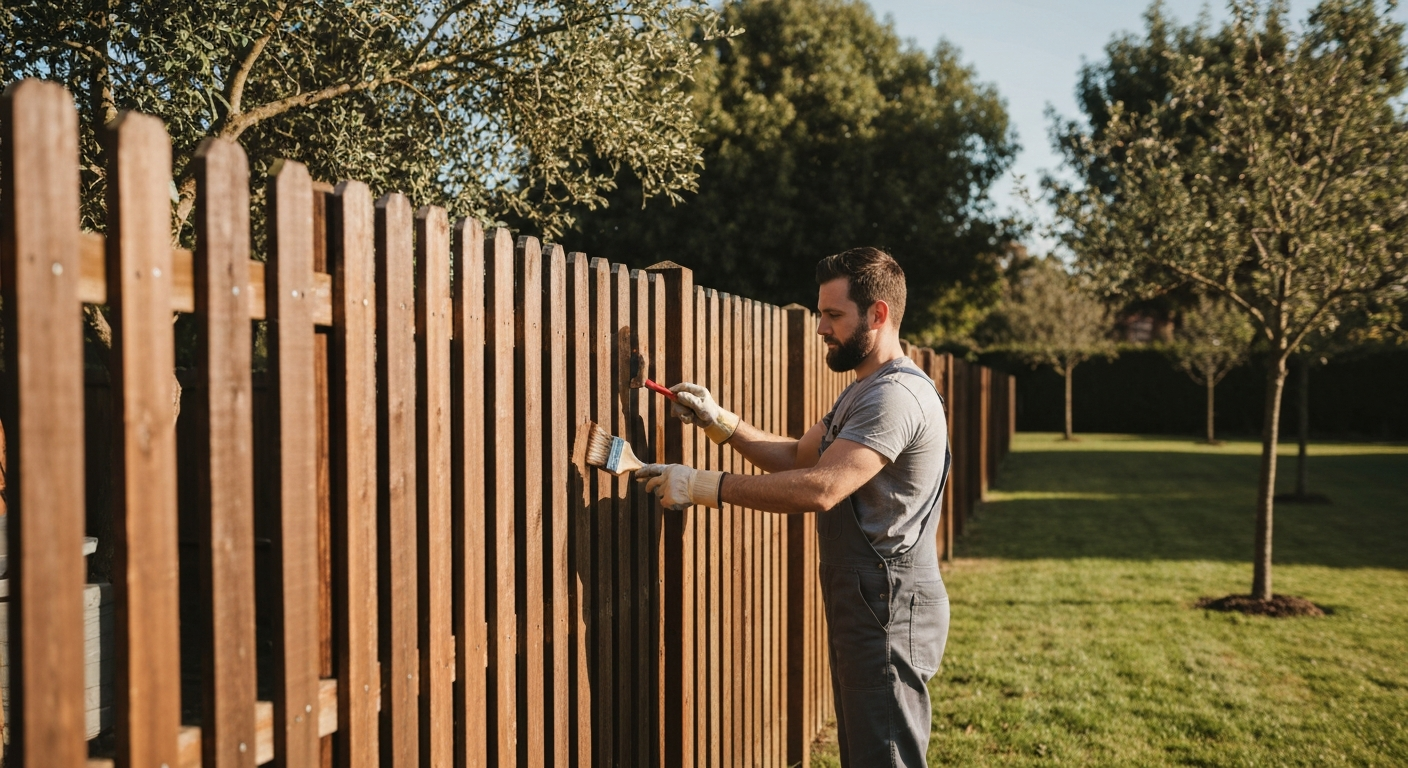
If your yard has challenging soil, trees dropping debris, heavy wind exposure, or frequent gate use, prioritize workmanship clarity and remedy strength. If you’re choosing a fence material that needs ongoing maintenance, prioritize maintenance terms and finish coverage specifics.
The best fencing company for you is the one whose warranty aligns with how your property actually behaves. Ask clear questions, keep your documentation, and make sure the warranty terms you receive match what you heard during the estimate. That’s the simplest way to turn a warranty from marketing into real protection.
If you want, share the material type you’re considering (wood, vinyl, aluminum, chain link, or composite) and whether you’re comparing a specific contract. I can help you interpret the coverage language and identify what to ask before you sign.